


Why Was Taylor Swift Targeted by Bots During ‘The Life of a Showgirl’ Release?
Coordinated network tried to link her latest album to Donald Trump
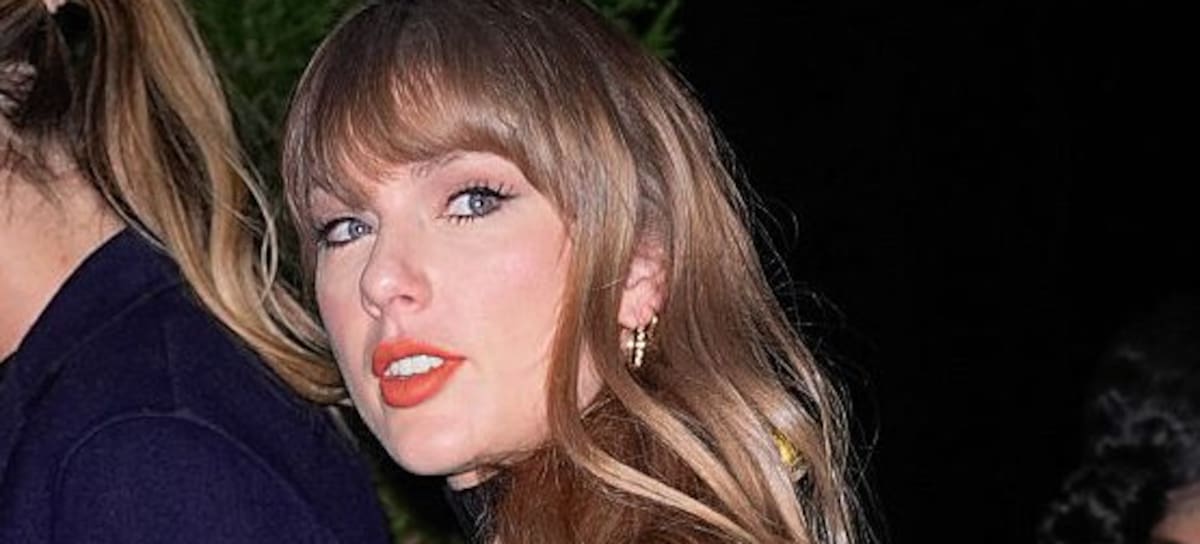
NEW YORK, NY - DECEMBER 9: Este Haim and Taylor Swift are seen on December 9, 2025 in New York City. (Photo by XNY/Star Max/GC Images)

Periodista en LOS40; coordino LOS40 USA y escribo también en El País. Cultura y música con enfoque investigativo y social, con foco en EEUU y música latina y urbana. Antes en NYT y The Guardian.
An investigation by Rolling Stone has uncovered a coordinated digital attack aimed at Taylor Swift following the public launch of her project The Life of a Showgirl.
According to network-analysis specialists consulted for the report, a substantial portion of the negative comments and conspiracy theories circulating at the time did not come from real users. Instead, they originated from automated accounts designed to distort the conversation and manufacture controversy.
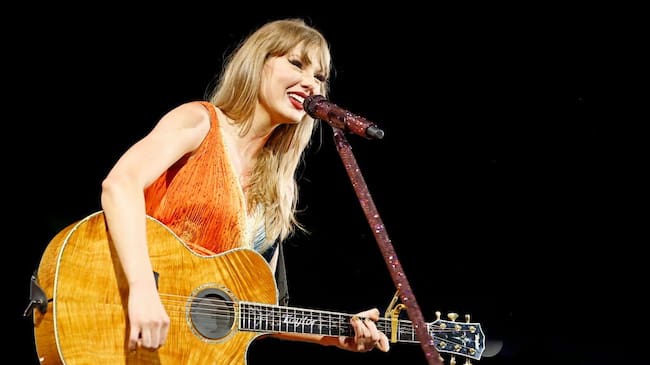
Taylor Swift performs onstage during «Taylor Swift | The Eras Tour» at Rogers Centre on November 14, 2024 in Toronto, Ontario. Emma McIntyre/TAS24/Getty Images for TAS Rights Management
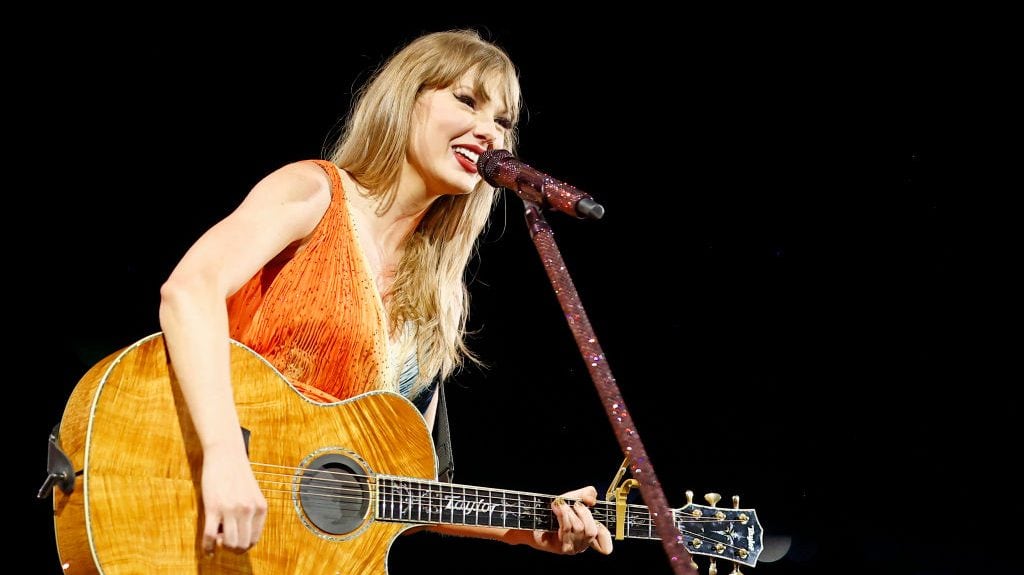
Taylor Swift performs onstage during «Taylor Swift | The Eras Tour» at Rogers Centre on November 14, 2024 in Toronto, Ontario. Emma McIntyre/TAS24/Getty Images for TAS Rights Management
The report shows that many of these fabricated messages attempted to tie Swift to extremist ideologies and to former president Donald Trump—claims with no factual basis that spread quickly thanks to fake accounts amplifying the narrative.
Researchers say the behavior fits classic patterns of digital manipulation: the storyline is first introduced in lightly moderated online spaces and then boosted by bots to make it appear like an organic public debate.
Clear Evidence of Manipulation
Data from the study highlights two spikes in bot activity.
On October 6 and 7, roughly 35% of posts discussing the controversy came from accounts showing hallmarks of automation.
The activity increased even further between October 13 and 14—coinciding with new product releases tied to Swift—when the percentage of inauthentic posts rose to 40%. Experts say these surges were no coincidence, pointing instead to deliberate coordination aimed at shaping media attention.
The investigation also traces much of the manipulated messaging back to far-right online forums. Many of the initial claims that later spread across social platforms first appeared on 4chan, a site known for serving as a starting point for organized disinformation campaigns before they migrate to mainstream networks. From there, the narratives were replicated on more popular platforms, where bots amplified them at scale.
According to the experts interviewed by Rolling Stone, this case illustrates how coordinated campaigns can influence public perception by exploiting emotion, polarization, and fabricated claims designed for maximum impact.
They warn that without automated accounts, the actual reach of these narratives would have been significantly smaller—underscoring the continued power of coordinated networks in today’s disinformation landscape.
Read the article in Spanish by Lola Rabal