


What Justin Bieber’s Outburst Can Teach Us About Identifying Anger Problems
The artist's meltdown shines a light on the hidden signs of emotional turmoil and trauma

NEW YORK, NY - JANUARY 29: Justin Bieber is seen on January 29, 2025 in New York City. (Photo by XNY/Star Max/GC Images)

Periodista en LOS40; coordino LOS40 USA y escribo también en El País. Cultura y música con enfoque investigativo y social, con foco en EEUU y música latina y urbana. Antes en NYT y The Guardian.
Pop star Justin Bieber’s recent public outburst—an 11-minute confrontation with paparazzi in Malibu—has reignited conversations around celebrity anger issues and mental health. The viral incident, paired with his emotional Instagram confession (“I’m broken”), highlights deeper emotional struggles and offers a rare window into how anger can signal unresolved trauma.
Bieber went on to publish private messages in which he abruptly ended a friendship, defending his actions as a trauma response. He claimed that well-meaning concern from others often feels more harmful than helpful—a sentiment that resonates with many people dealing with emotional regulation issues.

Justin Bieber is seen on The Upper East Side on January 31, 2025 in New York City. Aeon / GC Images
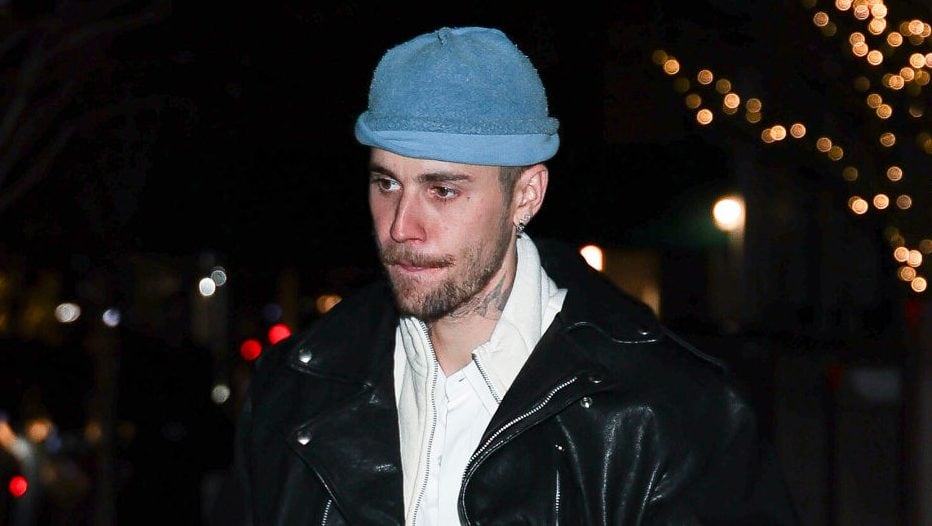
Justin Bieber is seen on The Upper East Side on January 31, 2025 in New York City. Aeon / GC Images
Understanding Anger Issues: When Rage Masks Emotional Pain
Many people experience anger as more than just a fleeting emotion. For individuals like Bieber, anger outbursts often point to deeper issues such as emotional trauma, identity conflict, or low self-worth. Psychologists describe this as anger being a «protective emotion»—a way to defend against feelings of vulnerability or fear.
Statements like «I know I’m broken,” which Bieber has expressed in the past, are strong emotional red flags. These are not just personal feelings—they’re often signs of a deeper identity crisis that can feed into impulsive or explosive reactions.
Signs of Anger Issues and Emotional Instability
If you’re wondering whether someone (or even yourself) is dealing with similar anger management problems, here are key behaviors to watch:
- Frequent outbursts or shouting, especially in public or high-stress situations
- Extreme reactions to criticism or boundaries
- Sudden cutoff of relationships, often with public or dramatic displays
- Use of self-deprecating language, such as “I’m broken” or “I’m beyond help”
- Justifying behavior with external sources, like religion or trauma, without accountability
These aren’t just personality quirks—they’re classic markers of poor emotional regulation and potential mental health challenges

Justin Bieber is seen on April 15, 2025 in Los Angeles, California. DUTCH/Bauer-Griffin/GC Images

Justin Bieber is seen on April 15, 2025 in Los Angeles, California. DUTCH/Bauer-Griffin/GC Images
How to Respond: Emotional Health Tips for Recognizing and Managing Anger
Whether you’re concerned about a friend, a partner, or yourself, recognizing these signs early can make all the difference. Emotional support isn’t about fixing someone—it’s about creating space for healing.
- Listen before reacting: If someone is expressing anger, allow them to speak without interruption.
- Validate the feeling, not the behavior: Say things like “It makes sense that you’re upset,” while also setting boundaries.
- Encourage reflection: Prompts like “What made you feel that way?” can help uncover the root of the issue.
- Suggest therapy or counseling: Professional help can guide people through the process of healing from trauma.
- Avoid dismissing public displays as attention-seeking; they’re often expressions of deep distress.

Justin Bieber attends the Arsenal and Manchester United pre-season friendly soccer match at SoFi Stadium on July 27, 2024 in Inglewood, California. Kevork Djansezian/Getty Images

Justin Bieber attends the Arsenal and Manchester United pre-season friendly soccer match at SoFi Stadium on July 27, 2024 in Inglewood, California. Kevork Djansezian/Getty Images
What We Can Learn from Justin Bieber’s Emotional Struggles
Justin Bieber’s emotional honesty—raw, uncomfortable, and real—challenges the way we view mental health in celebrities. His public anger, far from being a simple tantrum, illustrates how unresolved trauma can erupt in harmful ways if ignored.
If his story teaches us anything, it’s that anger isn’t always what it seems. Beneath it, there may be years of emotional pain. By learning to recognize these patterns—especially the quiet ones—we become better equipped to care for ourselves and each other.