


Lorde and Björk Among Artists Pulling Their Music from Israel in Global Boycott
The peace campaign promoting cutting ties with armed conflicts continues gaining support and growing stronger
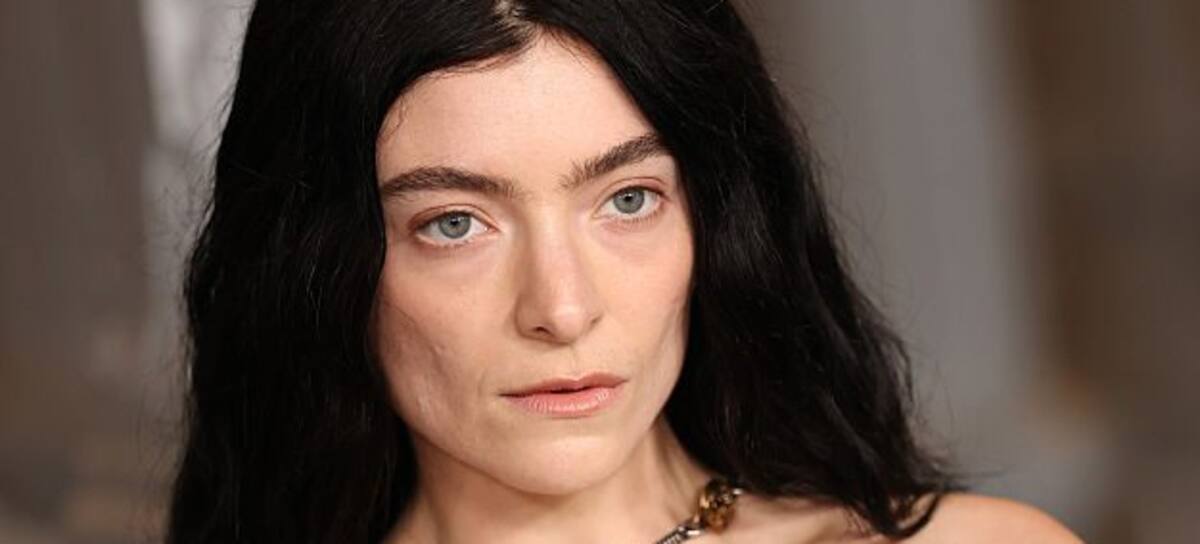
LOS ANGELES, CALIFORNIA - NOVEMBER 01: Lorde attends the 2025 LACMA Art + Film Gala at Los Angeles County Museum of Art on November 01, 2025 in Los Angeles, California. (Photo by Monica Schipper/FilmMagic)

Periodista en LOS40; coordino LOS40 USA y escribo también en El País. Cultura y música con enfoque investigativo y social, con foco en EEUU y música latina y urbana. Antes en NYT y The Guardian.
The initiative No Music For Genocide keeps gaining momentum and is becoming one of the most influential cultural campaigns right now. In recent weeks, numerous artists and bands from various genres have chosen to geo-block their music in Israel, a move aimed at raising awareness about the genocide in Gaza and questioning the international community’s response.
Among the latest artists joining the boycott are Massive Attack and Paul Weller, who obtained approval from their record labels to limit access to their catalogs within Israel. They join other musicians like Denzel Curry, My Bloody Valentine, Shy Girl, Innervisions, YHWH Nailgun, Saba, Paris Paloma, and Vacations, expanding a list of participants in a boycott that has been growing steadily since September.

Lorde attends the 2025 Met Gala Celebrating «Superfine: Tailoring Black Style» at Metropolitan Museum of Art on May 05, 2025 in New York City. Michael Loccisano/GA/The Hollywood Reporter via Getty Images
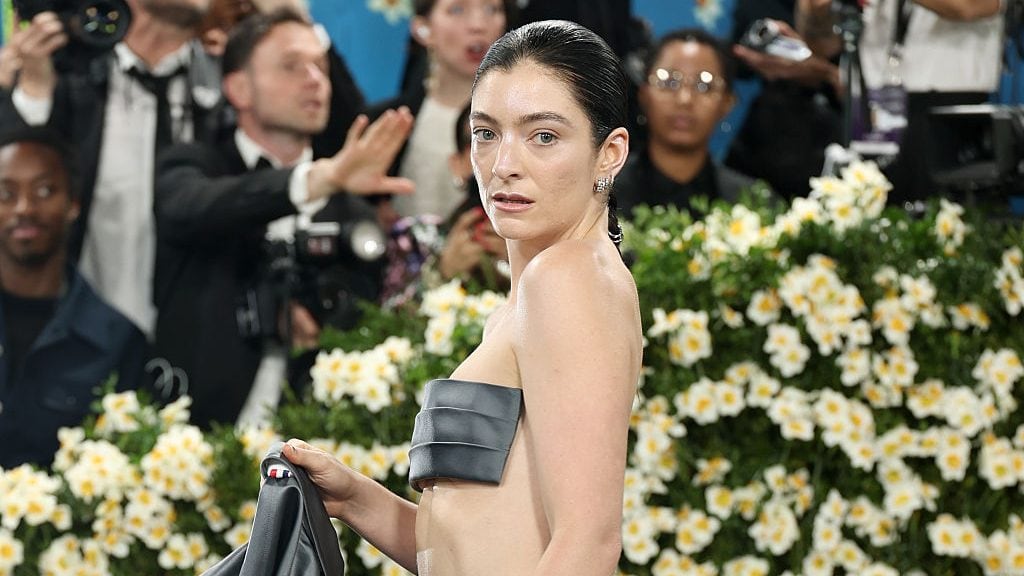
Lorde attends the 2025 Met Gala Celebrating «Superfine: Tailoring Black Style» at Metropolitan Museum of Art on May 05, 2025 in New York City. Michael Loccisano/GA/The Hollywood Reporter via Getty Images
Reasons Behind the Boycott
The campaign organizers argue that music can be a tool of resistance and say their goal is to symbolically pressure the Israeli government over what they describe as systematic human rights violations. The group also criticizes the UN Security Council for approving an agreement pushed by the United States and Israel, which they accuse of stripping fundamental rights from the Palestinian population once again.
The campaign claims to have surpassed a thousand supporters among artists, bands, and record labels. The list includes well-known international names such as Lorde, Björk, Fontaines D.C., the artistic archive of Ryuichi Sakamoto, Paramore, and Black Country, New Road. Additionally, their first fundraising effort raised over $7,000, which was donated to organizations working in Palestinian territories.
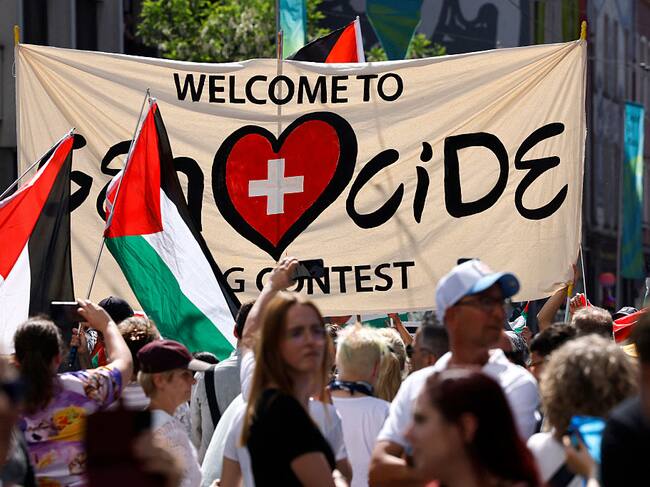
Protestors hold Palestinian flags and a banner as they take part in a demonstration against Israel’s candidate and during the Eurovision Song Contest 2025 opening ceremony in Basel on May 11, 2025. Stefan Wermuth / AFP) (Photo by STEFAN WERMUTH/AFP via Getty Images / STEFAN WERMUTH
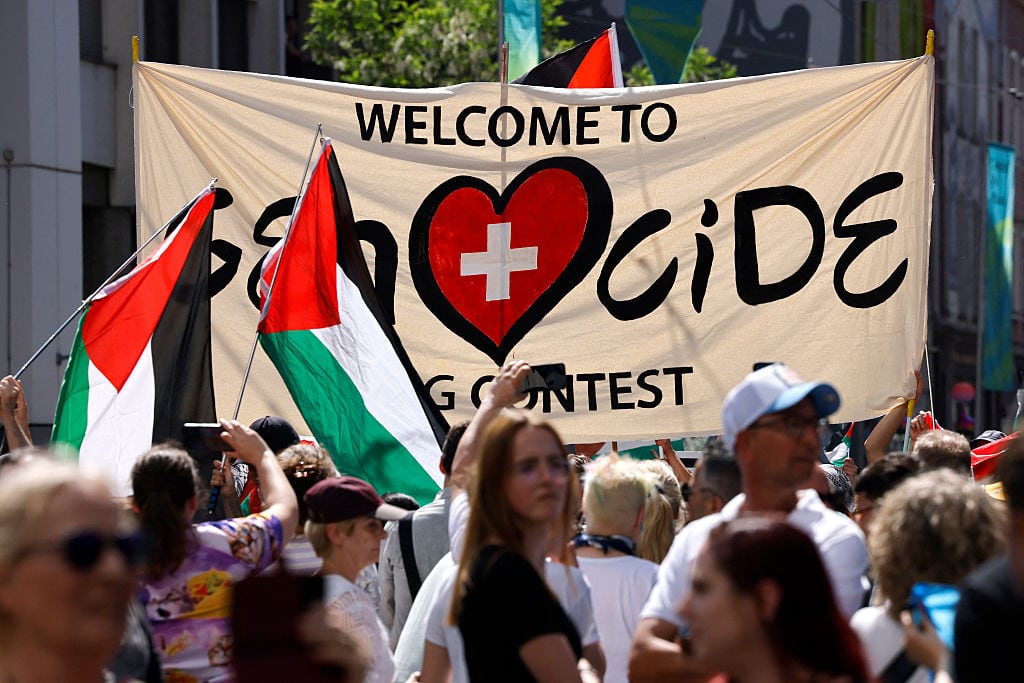
Protestors hold Palestinian flags and a banner as they take part in a demonstration against Israel’s candidate and during the Eurovision Song Contest 2025 opening ceremony in Basel on May 11, 2025. Stefan Wermuth / AFP) (Photo by STEFAN WERMUTH/AFP via Getty Images / STEFAN WERMUTH
In a statement shared by the campaign, Paul Weller compared the boycott to the anti-apartheid cultural boycott of South Africa in the 1980s, recalling how cultural pressure and sanctions helped bring about real change.
In an NPR feature, poet and activist Aja Monet described the boycott as one of the most effective strategies against what she considers a heavily militarized and violent system. Monet emphasized the need to reconsider where resources are allocated in a global context dominated by economic interests.
Israel’s Response?
The Israeli Embassy in the United States called the movement discriminatory and immoral, stating that such initiatives do not contribute to coexistence or the welfare of the affected populations. The embassy issued a statement warning that campaigns like these only deepen polarization.