


What’s the Meaning of ‘ALIBI’? The Term Used in the Hit by Sevdaliza, Pabllo Vittar, and Yseult
We explore the significance behind one of the hottest songs right now
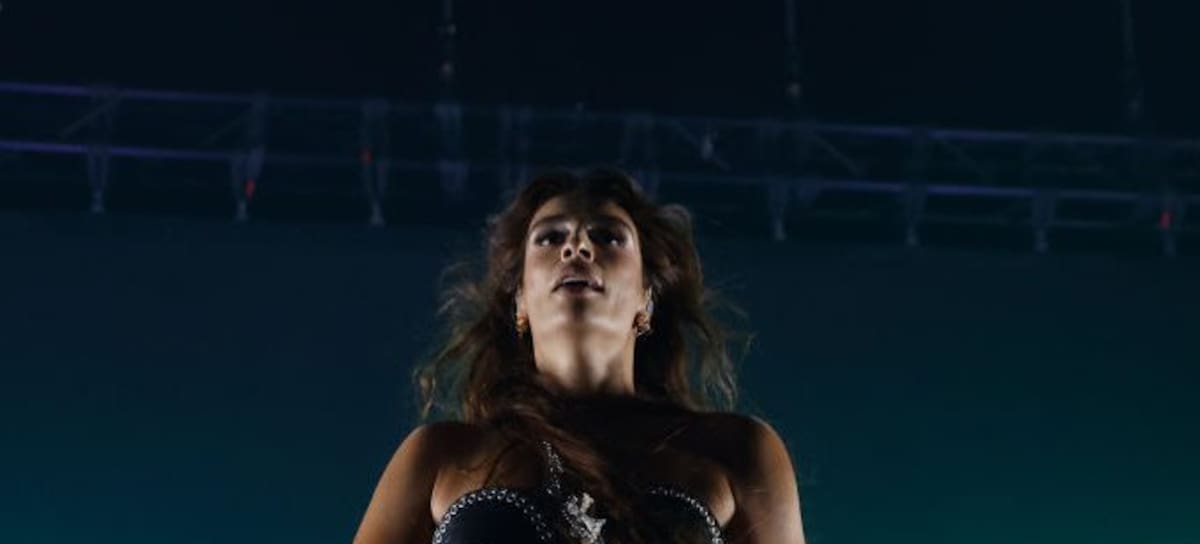
BARCELONA CATALONIA, SPAIN - JUNE 13: The artist Sevdaliza performs during the first day of the Sonar Festival, at the Fira de Barcelona, on 13 June, 2024 in Barcelona, Catalonia, Spain. Sevda Alizadeh,? better known by her stage name Sevdaliza, is an Iranian singer-songwriter, composer, producer and director? based in the Netherlands. In 2015 she released her first EPs "The Suspended Kid" and "Children of Silk" both released under the artist's own record label "Twisted Elegance". In 2017 she released her debut album Ison, which would be followed by a third EP titled "The Calling", in 2018 and her second album "Shabrang" in 2020 co-produced by Mucky . In 2022 he would release his fourth and final EP to date "Raving Dahlia." . (Photo By Kike Rincon/Europa Press via Getty Images)

Periodista en LOS40; coordino LOS40 USA y escribo también en El País. Cultura y música con enfoque investigativo y social, con foco en EEUU y música latina y urbana. Antes en NYT y The Guardian.
‘Alibi’ is undoubtedly one of the biggest hits at the moment, even reaching No. 1 on our LISTA LOS40 USA. The song, performed by Dutch-Iranian singer-songwriter Sevdaliza featuring Brazilian artist Pabllo Vittar and French singer Yseult, combines an experimental rhythm between pop and traditional sounds, addressing themes such as female empowerment and the complexity of human relationships.
The mix of languages in the song, including English, French, and Spanish, adds a multicultural nuance to the theme, reflecting a richness of influences and emotions. The lyrics blend imagery of love, pain, and liberation, demonstrating how terms can acquire multifaceted meanings in music.
However, you might be wondering about the meaning of the song’s title and one of the most repeated words in it: alibi. Here’s an explanation.
What Does ALIBI Mean?
The term «alibi» traditionally refers to a legal defense used to describe evidence proving that a person was elsewhere when a crime was committed, and therefore could not have been the perpetrator.
However, in the song, the term «alibi» is employed metaphorically to express a symbolic and emotional relationship between the narrator and their partner, Rosa. In the context of the lyrics, «alibi» does not refer to a legal defense in the strict sense, but rather assumes a more figurative and emotional meaning. It symbolizes a refuge or emotional justification that the narrator finds in their relationship with Rosa.
When I’m out of breath, she’s my vitals / When I need to rev, she’s my ride-or-die / Whеn I’m out of faith, she’s my idol / I just killed a man, she’s my alibi
The lyrics reflect a complex mix of emotions, portraying Rosa as a figure who provides the narrator with a sense of identity and escape in times of crisis. The phrases «When I kill a man, she’s my alibi» and «Ela é o meu álibi» suggest that Rosa acts as a kind of emotional support or justification that the narrator uses to cope with their own feelings of guilt, insecurity, or desperation.
In summary, the use of «alibi» in the song goes beyond its legal definition and becomes a powerful metaphor. Here, the term denotes a relationship that offers the narrator emotional refuge and a way to justify their feelings and actions. This creative use of language illustrates how words can transform their meaning depending on context and artistic expression.